
Favorite Products For Seamless Bathtub Installation Solutions
Browse popular items that provide ease of use, secure fittings, and long-lasting results for your bathroom renovation.
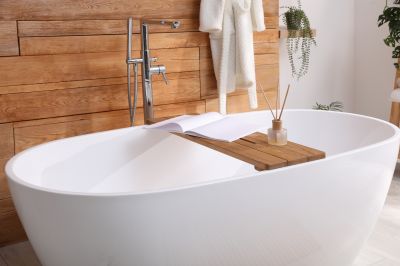 Installing a bathtub involves selecting the right products to ensure safety, durability, and proper functionality. The process begins with understanding the different types of bathtubs available, including alcove, corner, freestanding, and drop-in styles, each suited for specific bathroom layouts and aesthetic preferences. Once the bathtub type is chosen, attention must be given to the supporting components such as faucets, drain assemblies, and waterproofing materials. Proper installation not only enhances the bathroom's appearance but also contributes to long-term performance and user safety.
Top Overall Option
Acrylic Bathtub with Integrated Surround
An acrylic bathtub with an integrated surround offers a versatile and user-friendly option for many bathroom setups. Known for its smooth finish and ease of maintenance, this type of bathtub often features a lightweight design that simplifies installation. The integrated surround provides a seamless look and can help reduce the need for additional wall tiling, making it a practical choice for both new constructions and renovations. Its durability and resistance to chipping or cracking make it a popular option among homeowners seeking a reliable and aesthetically pleasing solution.
Types of Products For Bathtub Installations
Bathtub Faucets and Showerheads
A variety of faucet and showerhead options are available to customize water flow and style, including wall-mounted, deck-mounted, and handheld designs.
Drain Assemblies
Drain kits come in different styles such as pop-up, lift-and-turn, and grid drains, compatible with various bathtub types.
Waterproofing Membranes
Essential for preventing water damage, these membranes are applied beneath the tub or around the installation area.
Support and Reinforcement Hardware
Includes adjustable supports, shims, and reinforcement brackets to ensure the bathtub is level and securely installed.
Sealants and Caulks
Used to seal joints and edges, helping to prevent water infiltration and maintain a clean appearance.
Bathtub Surround Panels
Available in various materials and finishes, these panels provide a finished look and additional water protection.
Installation Kits
Complete kits that include all necessary hardware and instructions for specific bathtub models.
Support Beams and Frame Kits
Designed to support heavy or freestanding tubs, ensuring stability and safety.
Overflow Covers
Prevent water from overfilling and provide a finished look to the overflow area.
Flexible Water Supply Lines
Allow for easier connections between the water supply and fixtures, accommodating various installation configurations.
Popular Choices
Acrylic tubs are widely favored for their lightweight nature and ease of maintenance, suitable for many bathroom styles.
Popular for their aesthetic appeal and versatility, these tubs can be placed anywhere in the bathroom with proper plumbing.
Designed to maximize space, corner tubs fit neatly into bathroom corners and often include additional features.
These tubs are installed into a custom surround or deck, offering a sleek, integrated look.
Classic and stylish, clawfoot tubs are often chosen for their vintage appeal and standalone installation.
Designed for alcove installations, these tubs fit into three-wall enclosures and are common in standard bathrooms.
Known for their durability and heat retention, cast iron tubs are a traditional choice with a heavy-duty profile.
An affordable and lightweight option, fiberglass tubs are easy to install and repair.
Featuring built-in jets, these tubs offer hydrotherapy options for relaxation.
Designed for comfort, soaking tubs provide ample space for full-body immersion.
Sleek and simple designs that complement contemporary bathroom aesthetics.
Tubs that evoke a classic charm, often with ornate details and traditional shapes.
When planning a bathtub installation, it is essential to consider the compatibility of fixtures and accessories with existing plumbing systems. This includes ensuring the correct size and connection types for drain and water supply lines. Additionally, selecting high-quality sealants and waterproofing membranes can prevent leaks and water damage over time. For those undertaking DIY projects, understanding the installation process and having the right tools on hand can make the task more manageable, but consulting with professionals is often recommended for complex setups.
The materials used in bathtub installations vary widely, from traditional acrylic and cast iron to modern composite and fiberglass options. Each material offers different benefits, such as ease of maintenance, weight considerations, and aesthetic appeal. When choosing products, it is vital to evaluate the durability and compatibility with your bathroom's design. Proper support and leveling are crucial to ensure the bathtub remains stable and functions correctly, which can involve specific hardware and reinforcement techniques.
Overall, selecting the right products for bathtub installation involves a combination of understanding the different types, assessing your specific needs, and choosing quality components that fit your bathroom space. Proper planning and the right product choices can lead to a successful installation that provides comfort and functionality for years to come.
Key Buying Considerations
- Determine the available space and measure the area accurately to select an appropriately sized bathtub.
- Choose a material that aligns with your maintenance preferences and aesthetic goals, such as acrylic, cast iron, or fiberglass.
- Ensure compatibility of plumbing connections, including drain and water supply fittings.
- Consider the weight of the bathtub, especially for materials like cast iron, which may require reinforced flooring.
- Assess the installation method—whether it is a drop-in, alcove, freestanding, or corner model—and ensure your bathroom can accommodate it.
- Review the durability and resistance to chipping or cracking based on the material and usage patterns.
- Check for additional features such as built-in seats, armrests, or jets if desired.
- Verify the availability of matching fixtures like faucets, drain assemblies, and overflow covers.
- Evaluate the ease of cleaning and maintenance for the chosen product.
- Consider the style and finish to match your bathroom decor, from modern minimalist to vintage designs.
- Research the warranty and support options provided by the manufacturer or retailer.
- Think about accessibility features if needed, such as low thresholds or grab bars.
- Budget accordingly, balancing quality features with your financial plan.
- Consult local building codes and regulations to ensure compliance with installation standards.
- Plan for professional installation if unsure about the technical aspects or if the project involves complex plumbing.